Distinguish first impressions from a second reading. A demonstration editing brief; supply your own evidence and details.
Editorial focus
Distinguish first impressions from a second reading.
Begin with the context
Explain who this story is for and the question it answers. Include the details a new reader needs, and distinguish your own observations from material supplied by another source.
The reading card
A place for the book’s details
- Author
- Add the real author
- Edition
- Record the edition
- Reading notes
- Personal observations
Review prompt: Explain what stayed with you, and why. This is an editing prompt, not a quotation from a book.
Questions for a second reading
- Which passage changed the way you understood the book?
- Who would you recommend this edition to?
- What would you like to ask the author?
Make the useful part easy to find
The reference section below is deliberately structured for scanning, keyboard use and printing. Edit the labels and details to fit the real story rather than retaining irrelevant example fields.
Leave the reader with a next step
Link to a relevant topic, a dated source or a related story. Give collaborators proper credit and keep private or unverified information out of a public demonstration.
Between the shelves
There is always another chapter.
A visual wander through the places where reading begins.


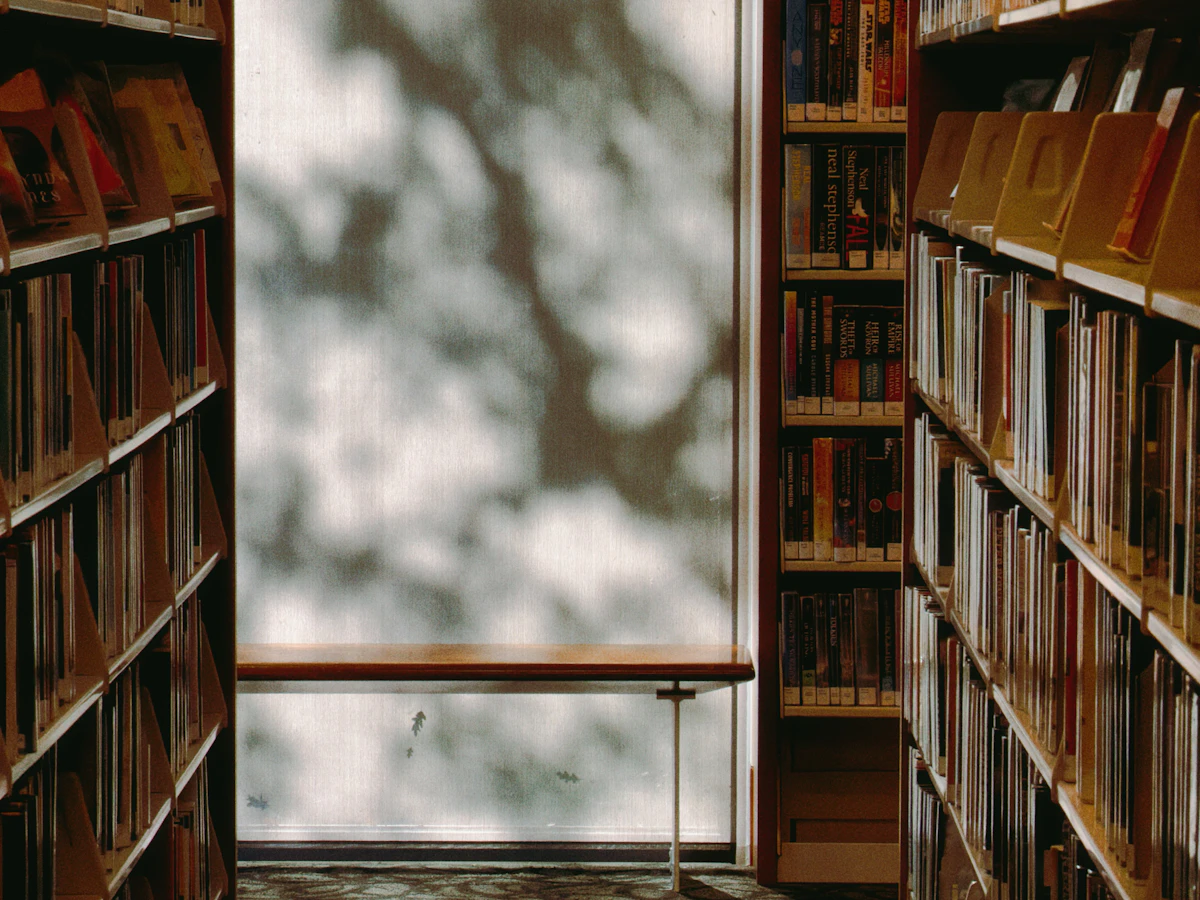
Illustrative photography, not evidence of the sample project, recipe or reported event.