A review format for separating what happened from what you thought of it.
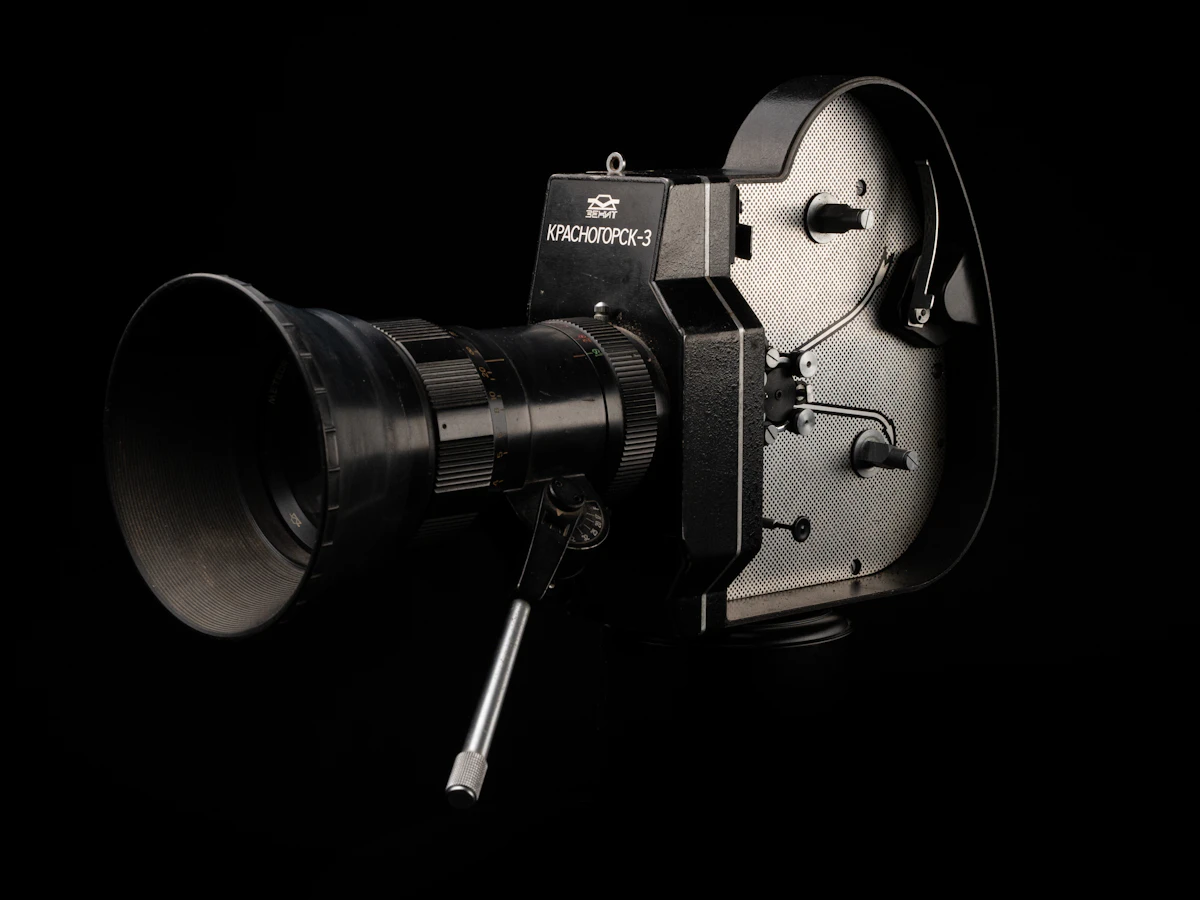
Editorial focus
Make the boundary between review and recap explicit.
Begin with the context
Explain who this story is for and the question it answers. Include the details a new reader needs, and distinguish your own observations from material supplied by another source.
The viewing notebook
Before the spoilers
- Format
- Review or recap
- Viewed
- Edition & date
- Credits
- Add actual credits
Use the opening section to describe the tone, craft and intended audience without revealing major story details.
Continue to the spoiler discussion
Place plot-specific observations here. Readers choose whether to open this section, and no script is required.
Make the useful part easy to find
The reference section below is deliberately structured for scanning, keyboard use and printing. Edit the labels and details to fit the real story rather than retaining irrelevant example fields.
Leave the reader with a next step
Link to a relevant topic, a dated source or a related story. Give collaborators proper credit and keep private or unverified information out of a public demonstration.
Behind the frame
Look at the story differently.
A visual study of cameras, craft and the people behind the image.
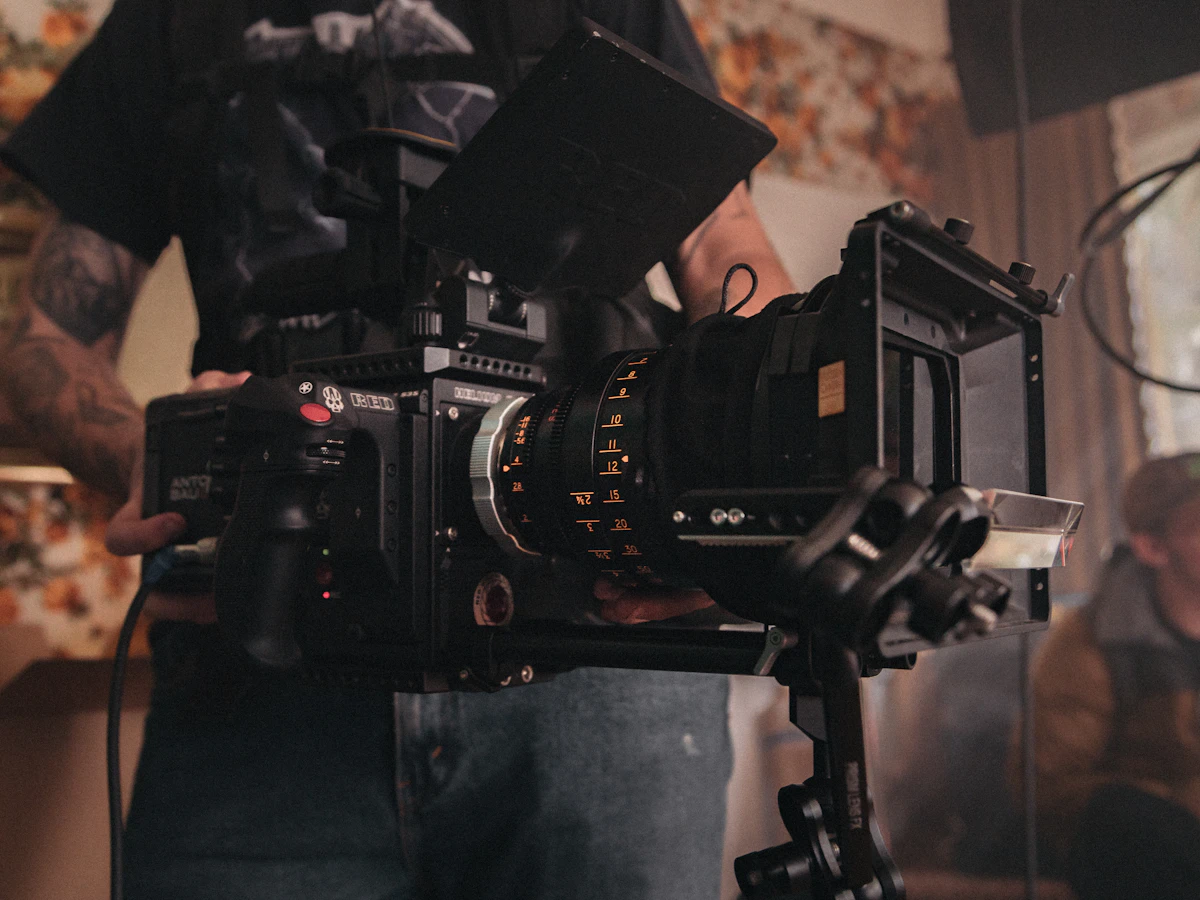

Illustrative photography, not evidence of the sample project, recipe or reported event.