Compare lamp position and controls without invented lux readings. A demonstration editing brief; supply your own evidence and details.
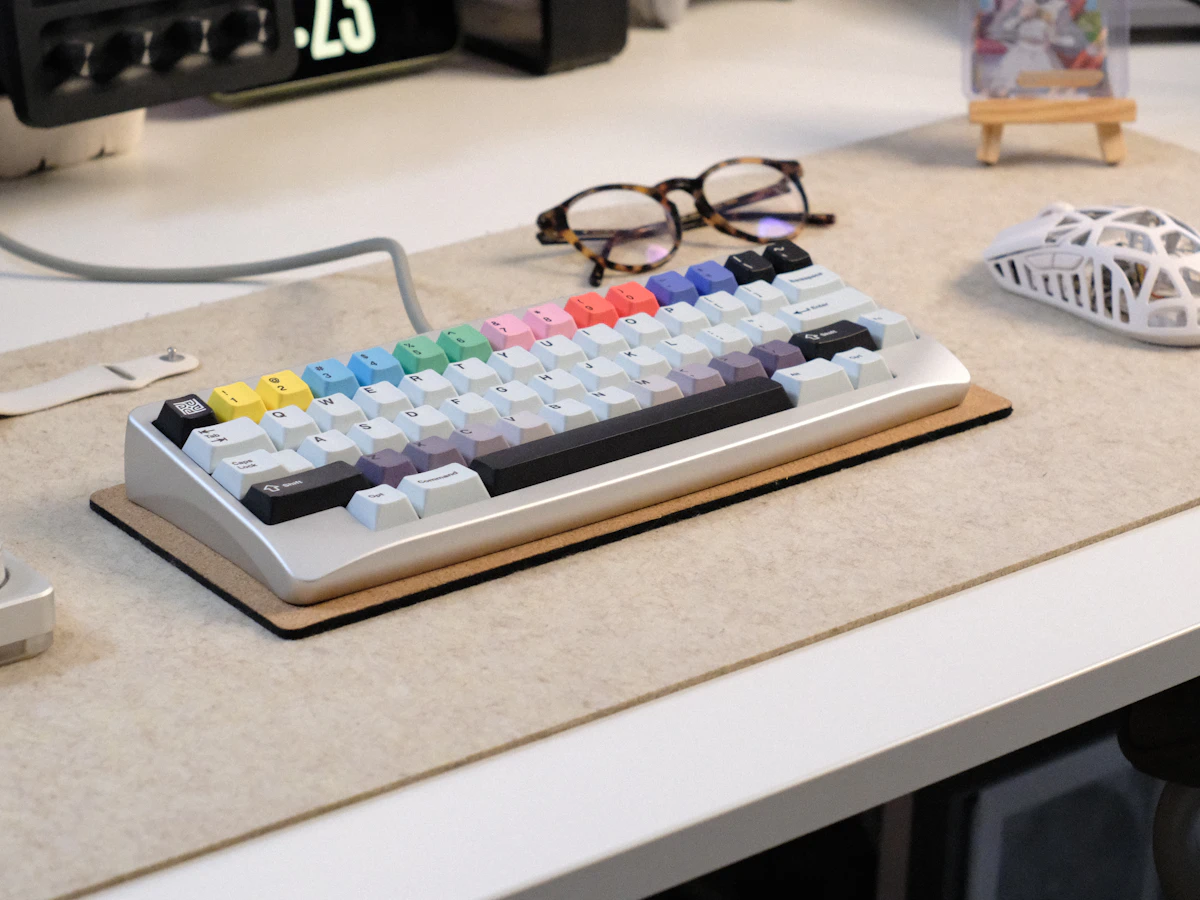
Editorial focus
Compare lamp position and controls without invented lux readings.
Begin with the actual task
State who the product is for and which tasks were checked. Record the version, device or setting that affects the result. Avoid turning manufacturer claims into first-hand observations.
At a glance
The details worth comparing
| Criterion | What to record | Evidence |
|---|---|---|
| Everyday use | The tasks you actually tried | Your own notes and photographs |
| Fit and finish | The materials and controls | What you can directly observe |
| Compatibility | The devices and standards checked | Manufacturer details, with a date |
| Ownership | Repair, support and replaceable parts | Sources and limitations |
What worked well
Describe a specific benefit you observed, including who it is useful for.
What to consider
Explain the trade-off and the limits of your testing rather than inventing a score.
Separate facts from judgement
Specification tables should identify their source and date. Opinions should explain the evidence behind them. A comparison becomes useful when the reader can understand both the benefit and the compromise.
Explain the limits
End with the circumstances in which the product makes sense and the questions your review does not answer. Update the record when new evidence changes a conclusion.
Desk study
The details make the difference.
Look closer at the tools, materials and everyday setups behind a useful review.
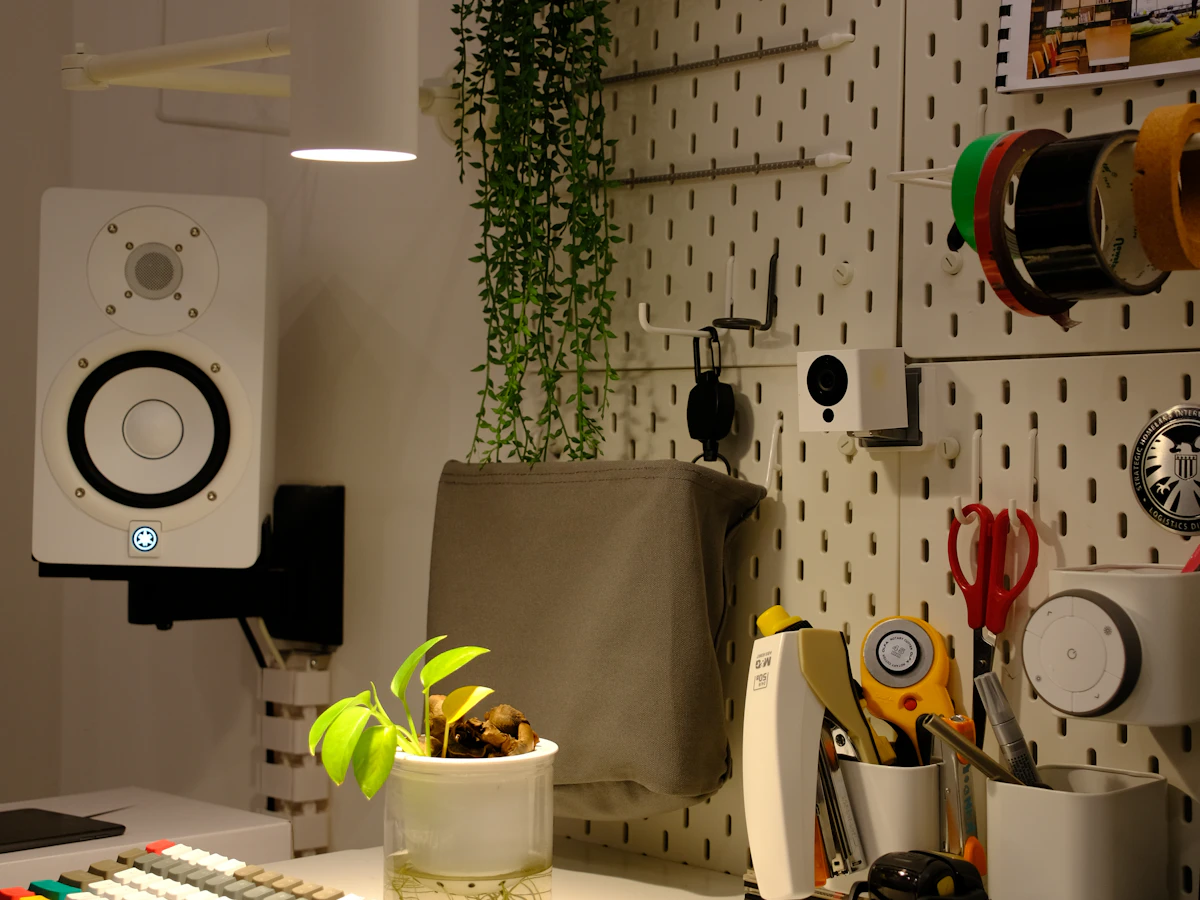
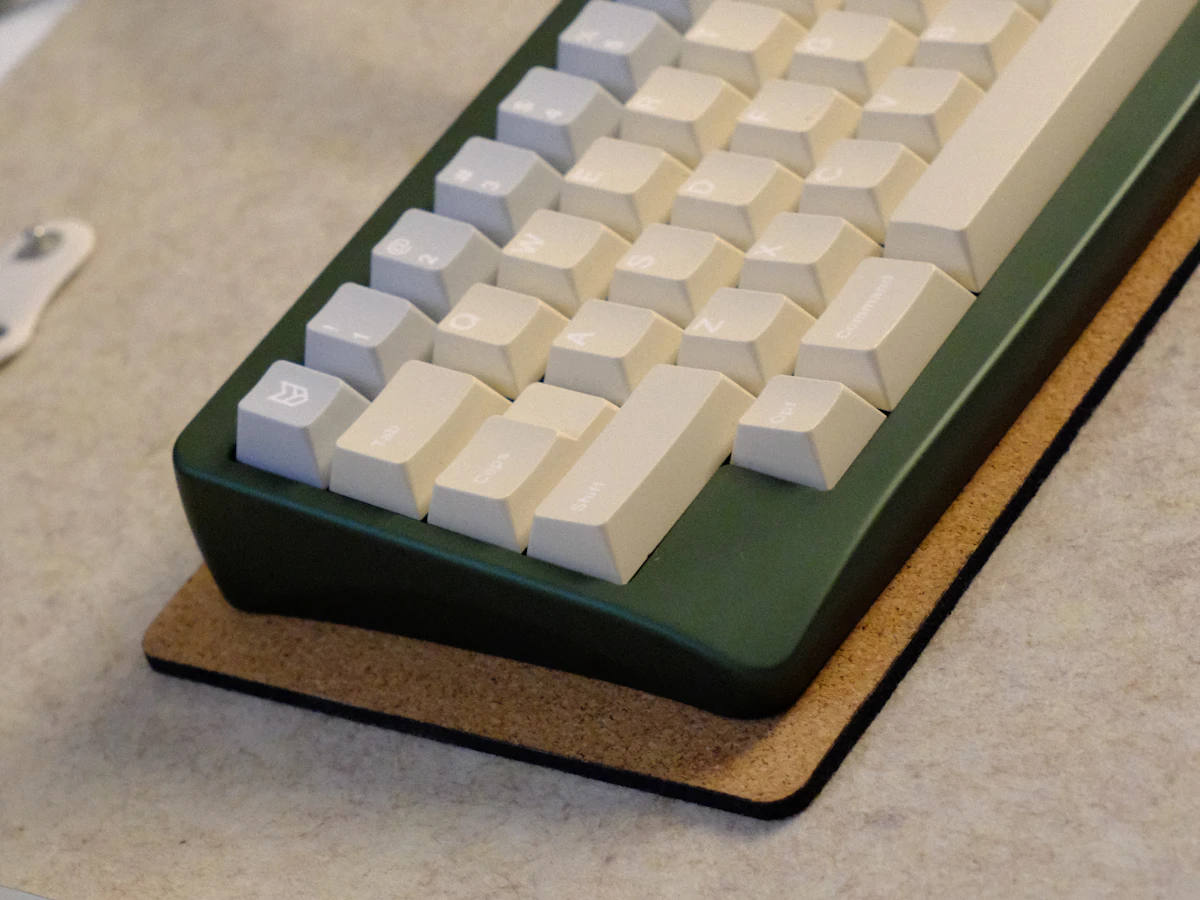
Illustrative photography, not evidence of the sample project, recipe or reported event.